
Winter Survival Courses
Winter Survival Course
The state of wanting to live or continuing to exist, especially after a dangerous event!
However, we like to say: How to be comfortable in the uncomfortable…
THE COURSE AIM
This one day course is an introduction to the methods and ways of being able to survive an incident in the mountains during winter. Whether that would be on skis, a snowboard or snow shoeing in areas such as the piste, off-piste, in the backcountry away from the lifts or in the forests down in the valley.
Our goal is to help you to gain some practical information and basic techniques in regards to being comfortable in the uncomfortable, spending an extended time in one place in the mountains during winter.
So with just a few pieces of specialist, small and lightweight equipment that can be stored at the base of your rucksack, you could easily cope with an incident without it being a SUFFER FEST!
Course CONCEPT
The idea is to have some small and light extra equipment in your rucksack that in the event of a critical incident and with a little knowledge, you can survive with the contents of what you are wearing and what is in your rucksack without it have to be a SUFFER FEST!
PRACTICALITIES
The Winter Survival Course will have 4 distinct phases:
Phase 1 - Survival
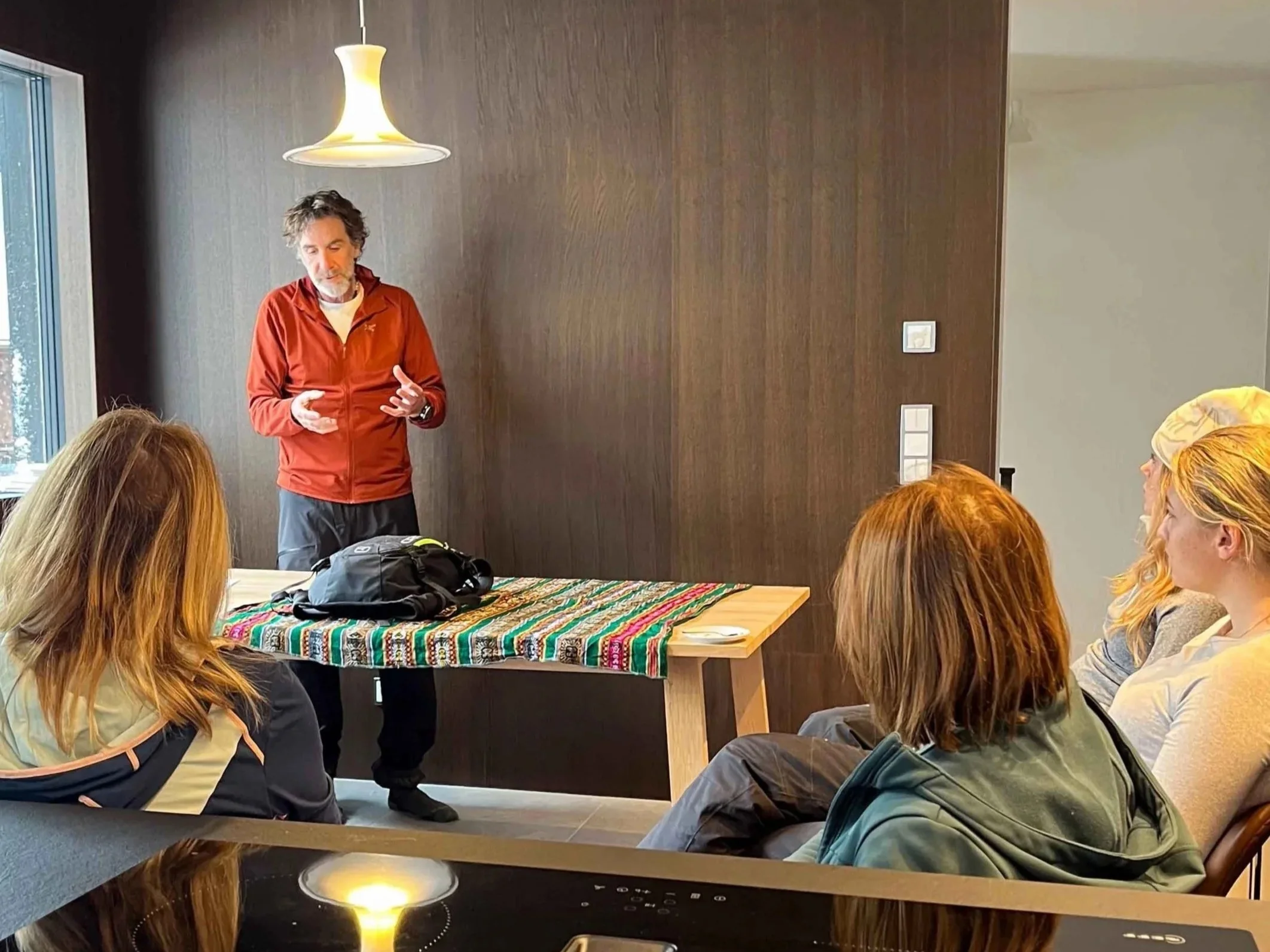
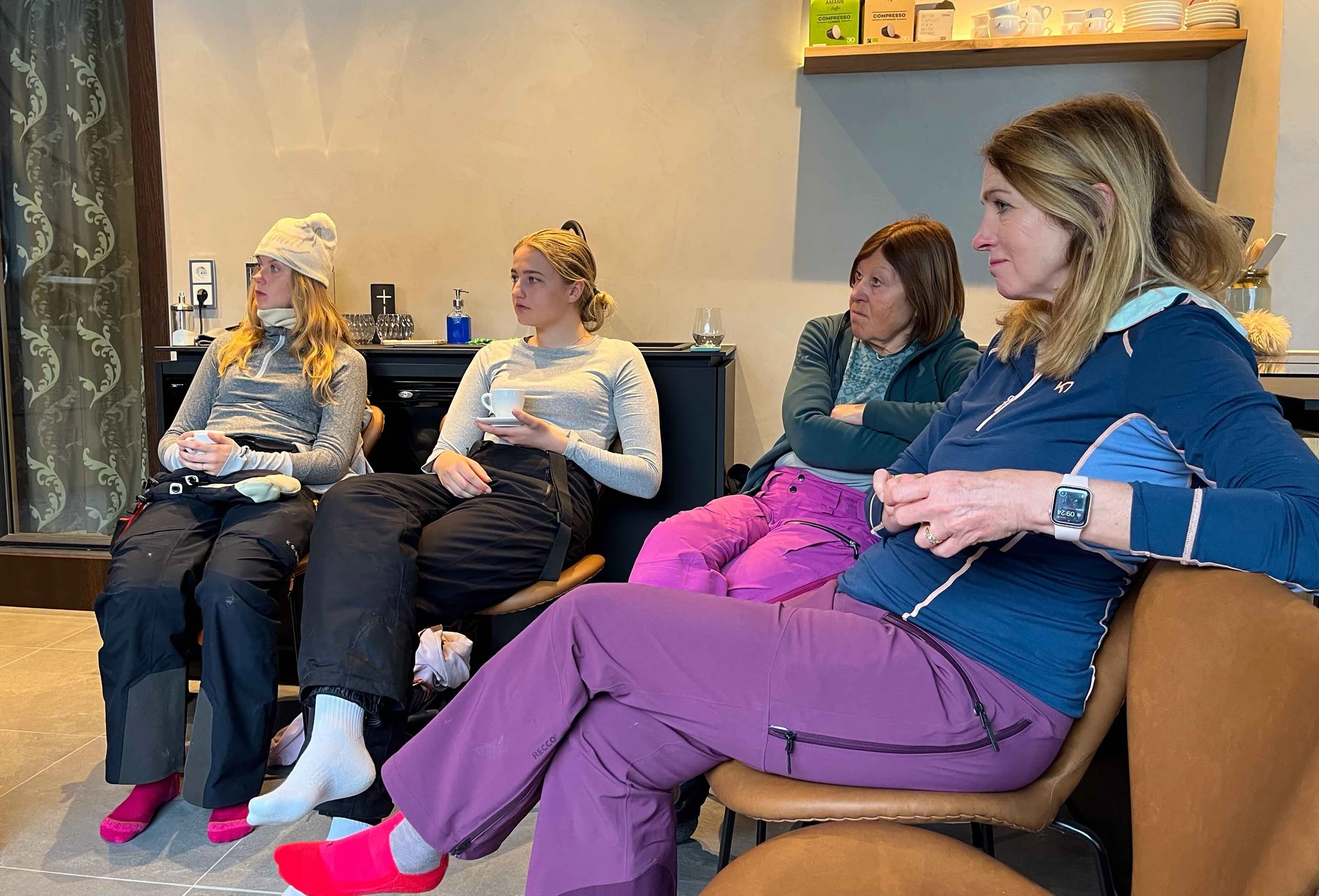
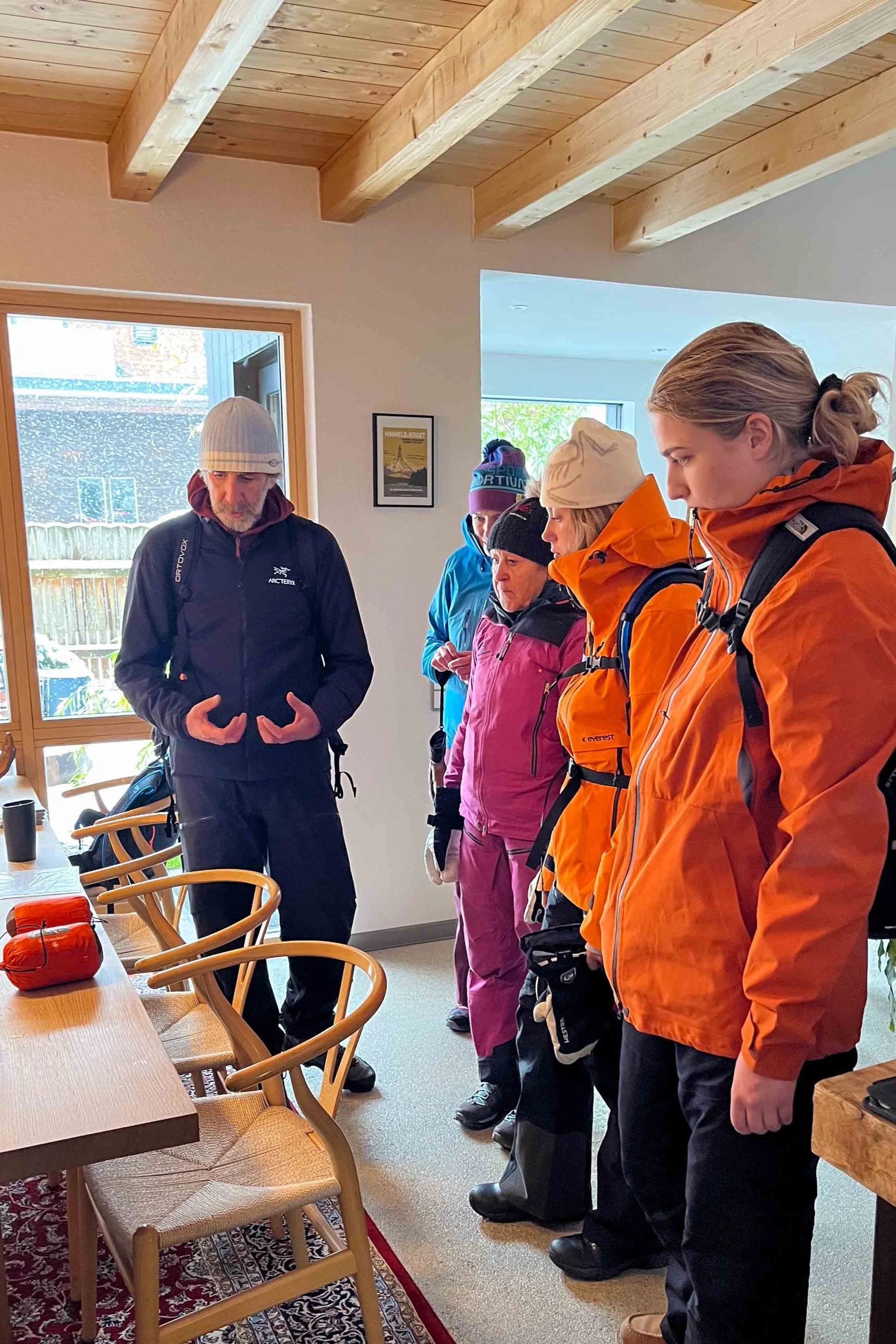
Phase 1 is theory based inside where we address subjects such as:
The understanding and concepts of survival
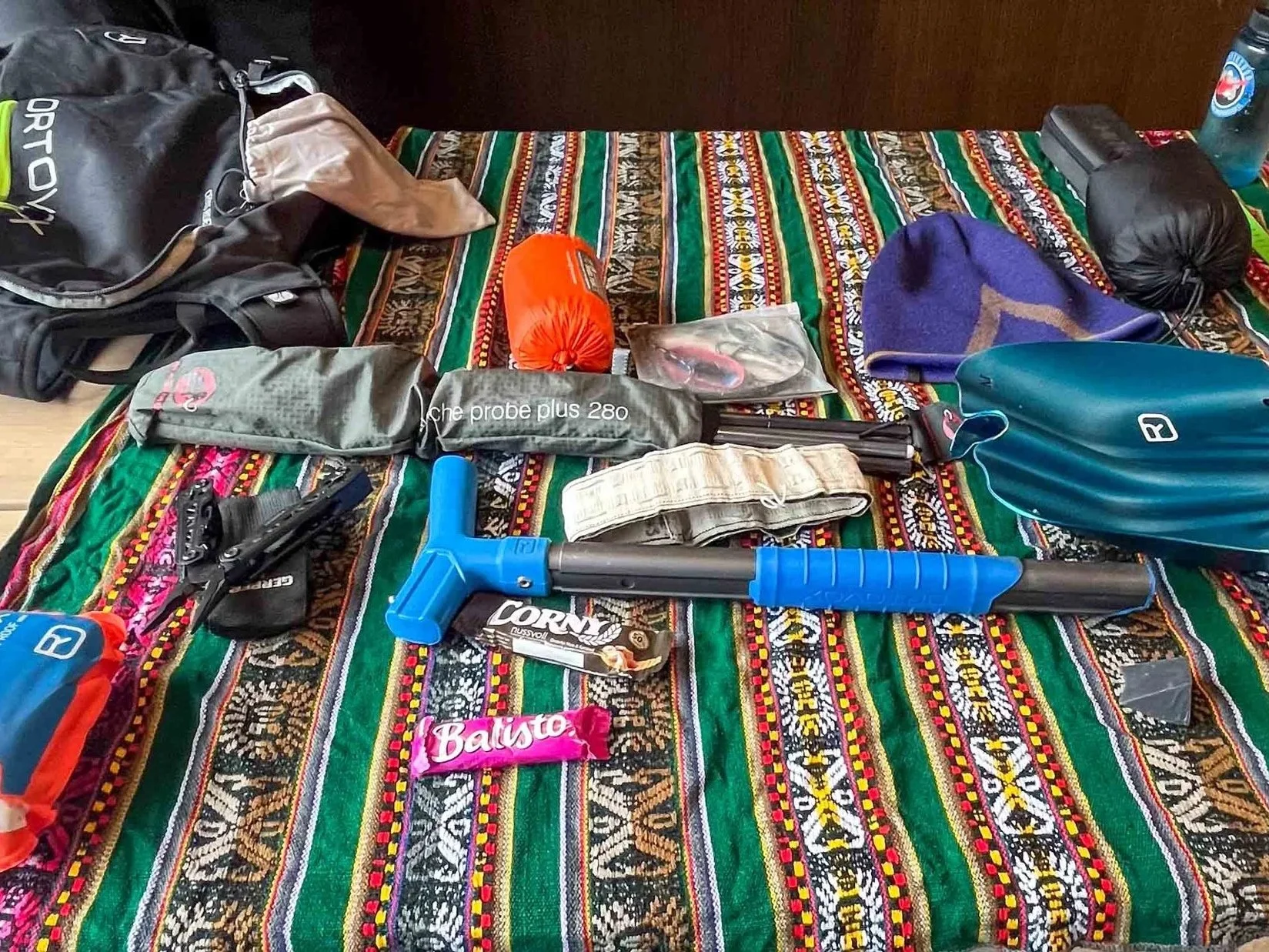
The 3 most important survival orientated items I carry with me every day.
What I carry in my rucksack everyday skiing or ski touring.
Phase 2 - Survival Blanket
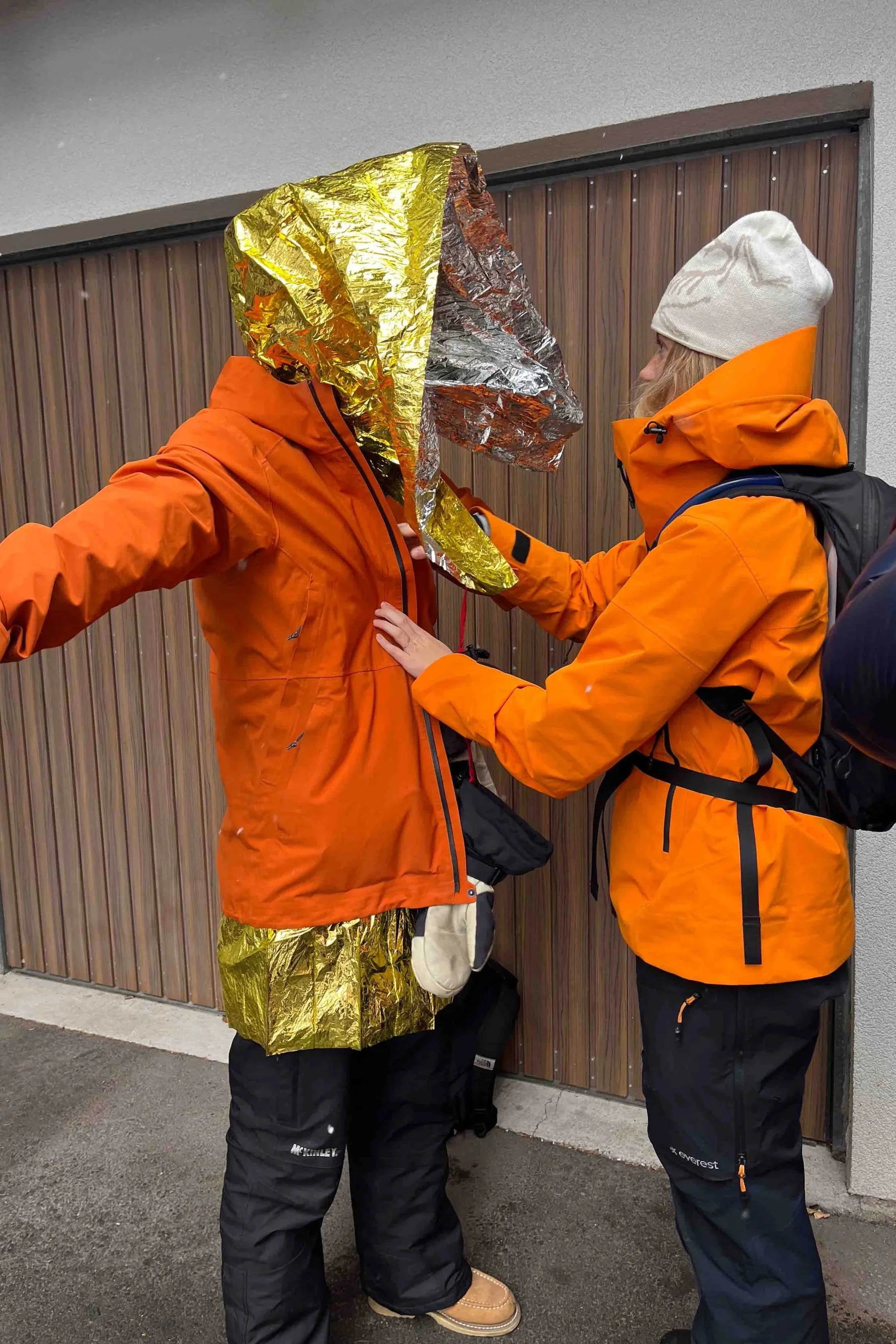
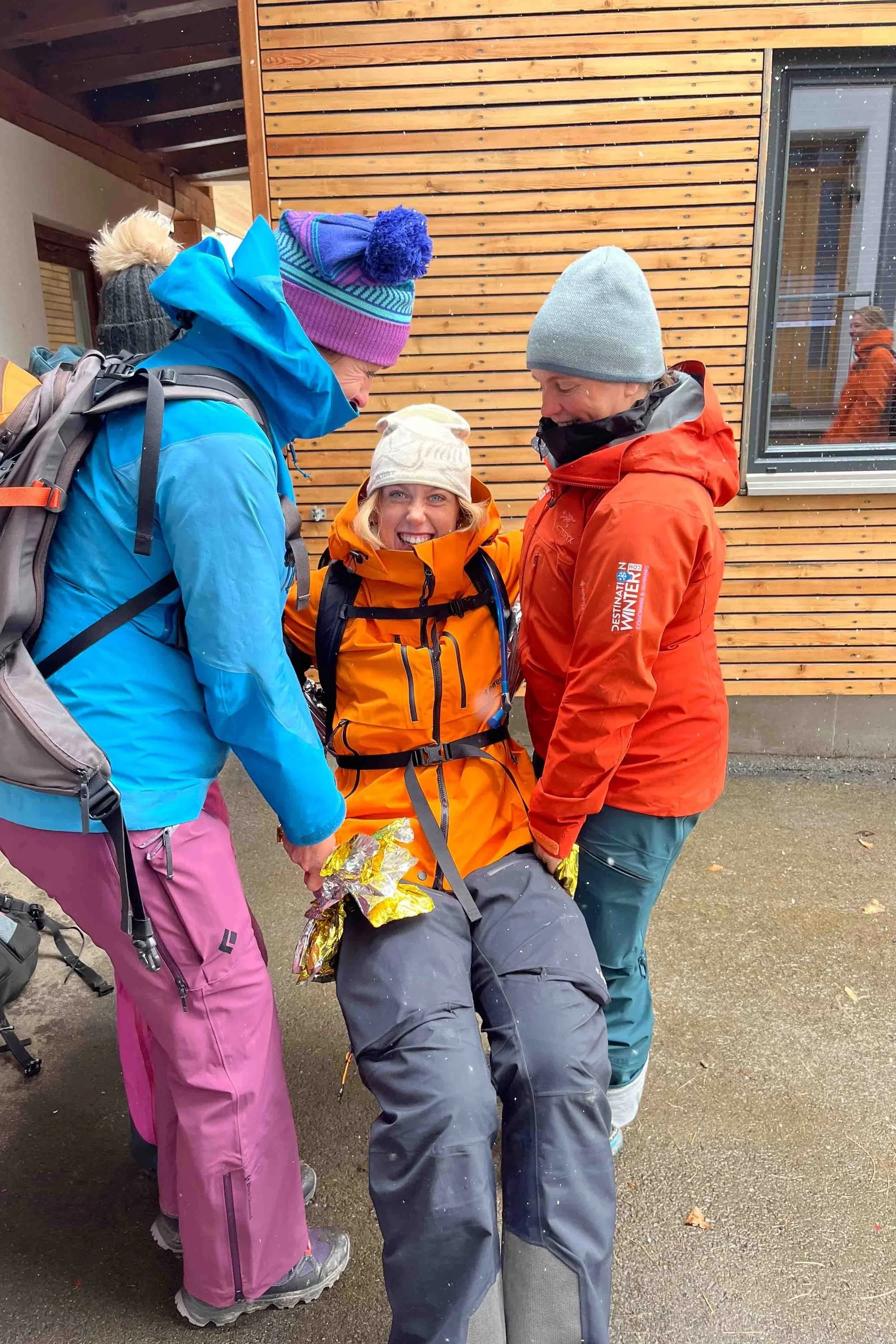
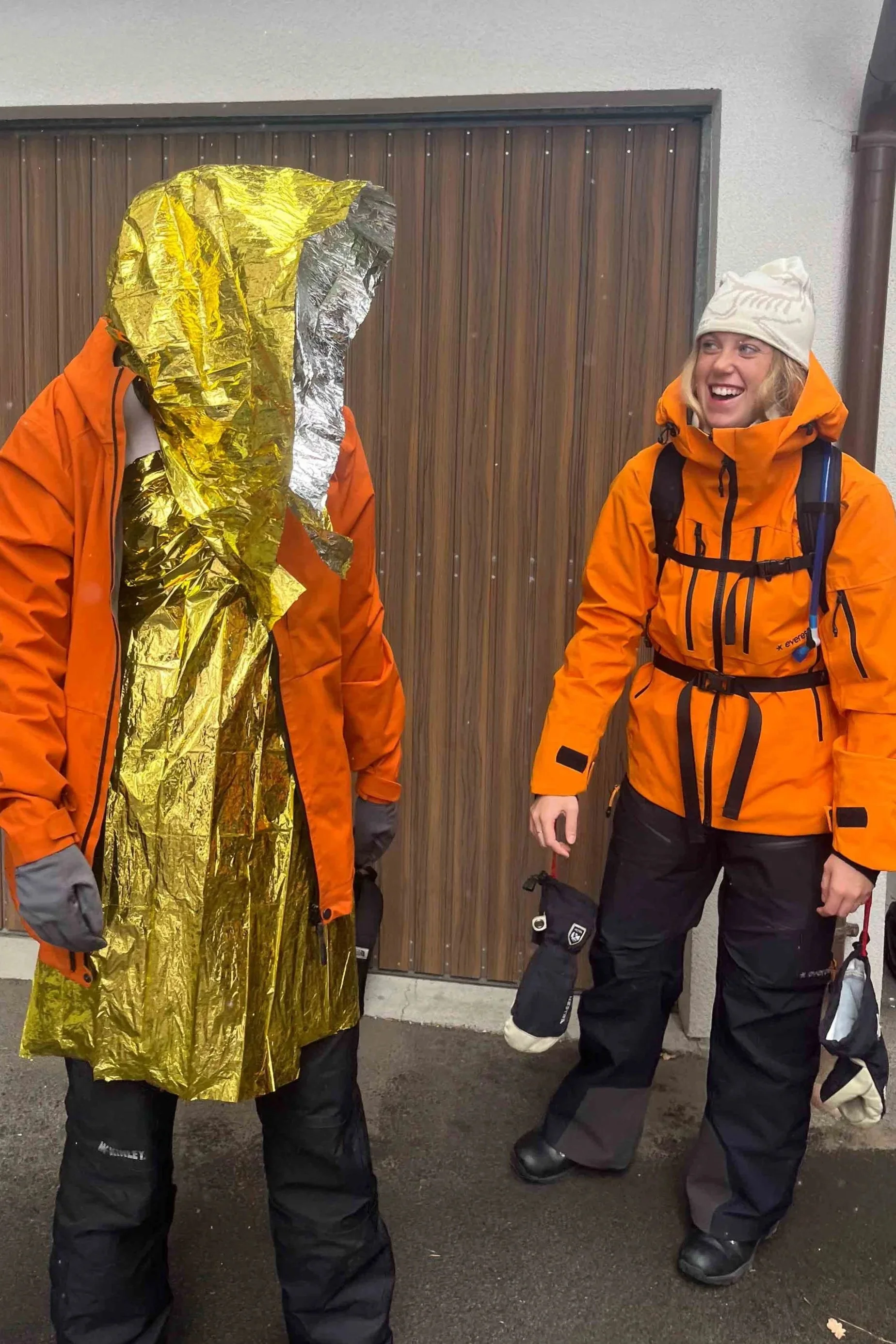
We have spoken about Survival Blankets in Phase 1 and now it is time to see just what they can be used for.
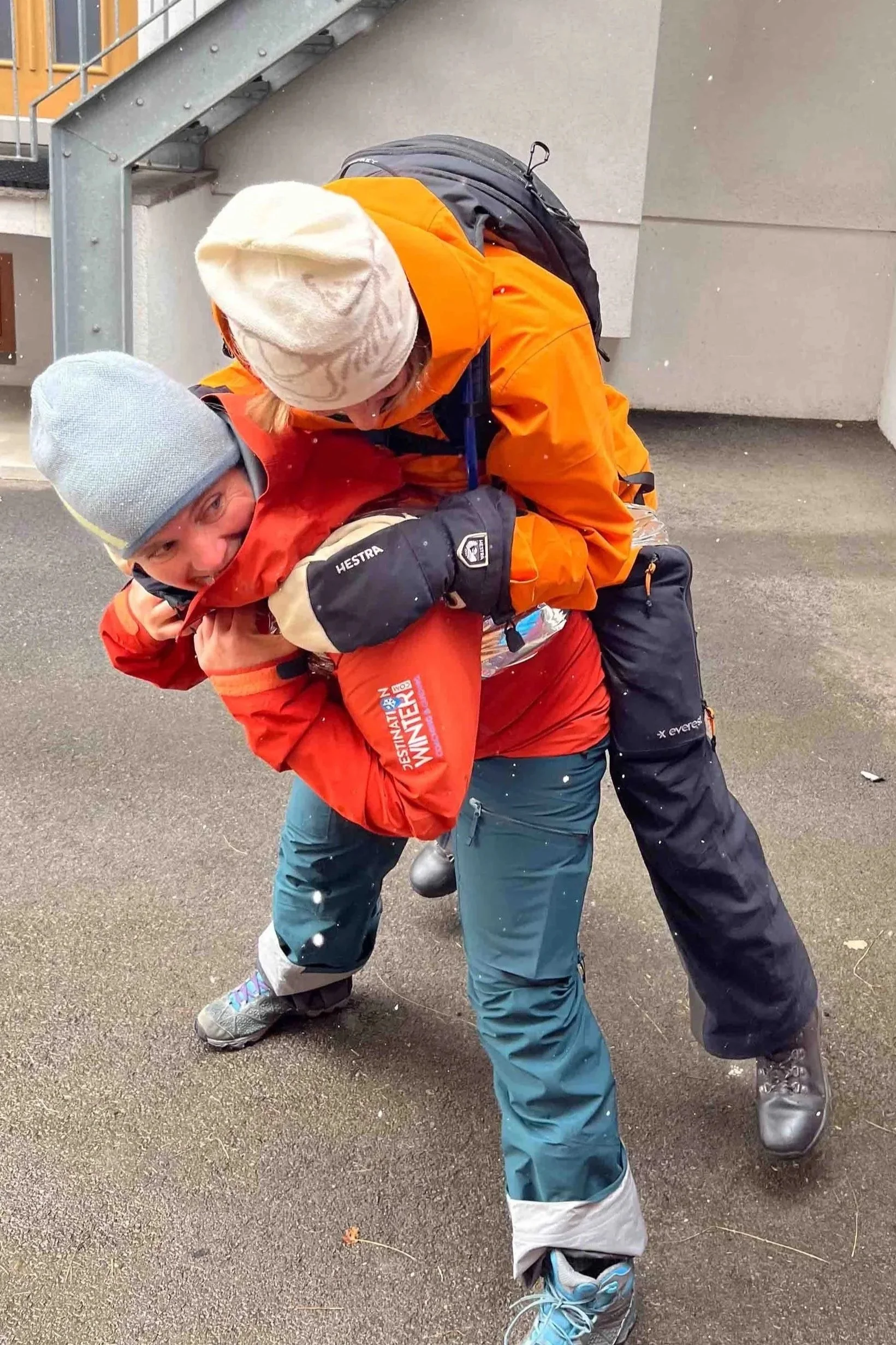
So Phase 2 is all about Survival Blankets and the various ways we can put it into use be it on the piste or out in the back country.
After a final coffee, along with some question and answers, hands on the equipment that maybe new to you. We now head up to St.Christoph am Arlberg where the final 2 phases take place on and in the snow.
Phase 4 - SNOW SHELTERS
What happens if it is looking like it could be an all nighter? We are not talking about raving, but it looks as though we are going to have spend the night out. Are we going to stay in the Survival Shelter? Is it comfortable enough for a night out? Or do I think it would be better spending the night in something more secure, warm and comfortable under the snow in a shelter?
It is a question and decision that would be taken with all the mitigating factors and the days adventures.
However, a snow shelter is certainly a more stable and permanent shelter for spending longer durations out in the mountains such as an enforced overnight stay.
For me I would prefer to spend a more comfortable night in a snow shelter rather than in a survival shelter.
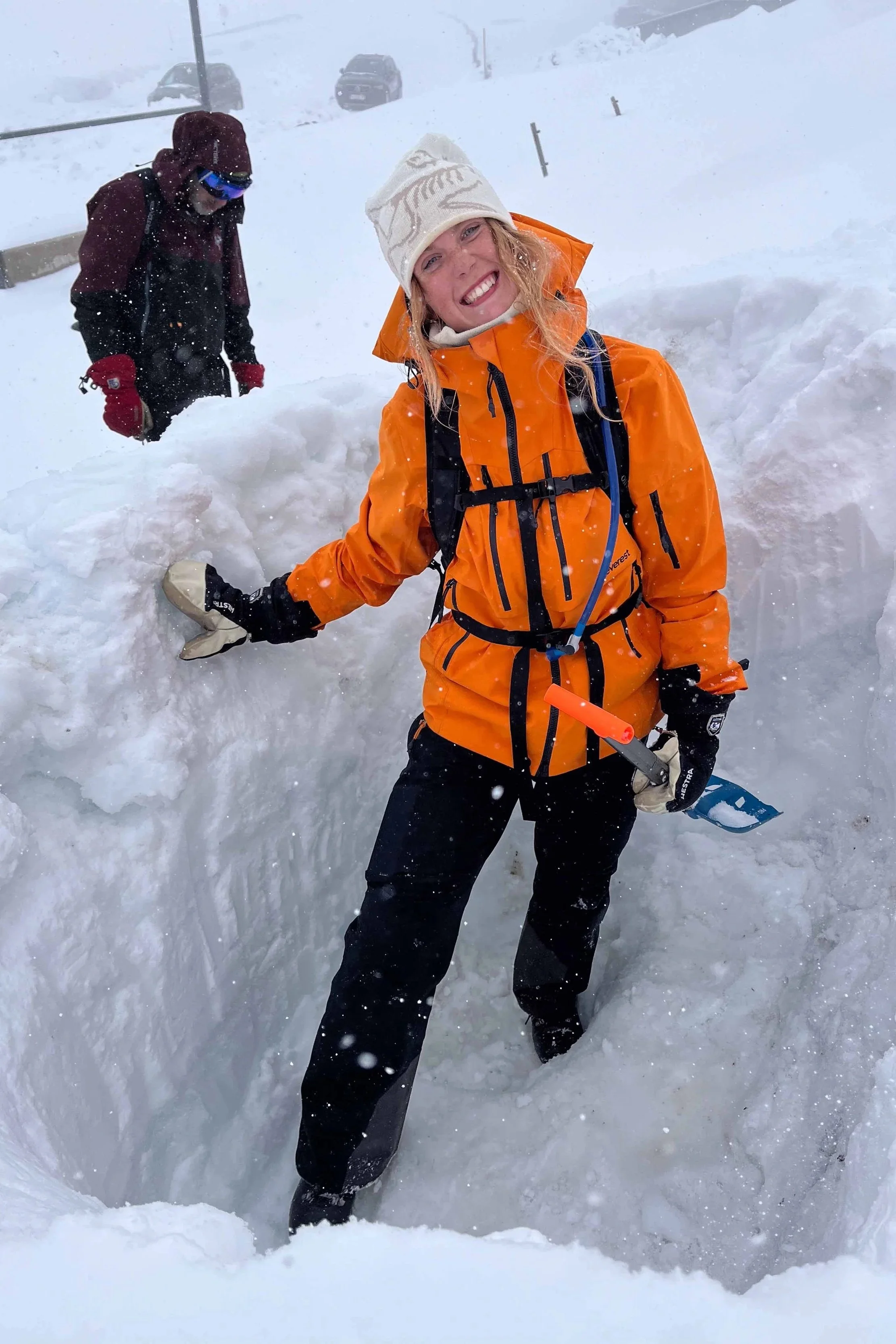
We give you a guided tour of a finished snow shelter, both on the outside and of course inside where it is nice and toasty out of the wind and elements.
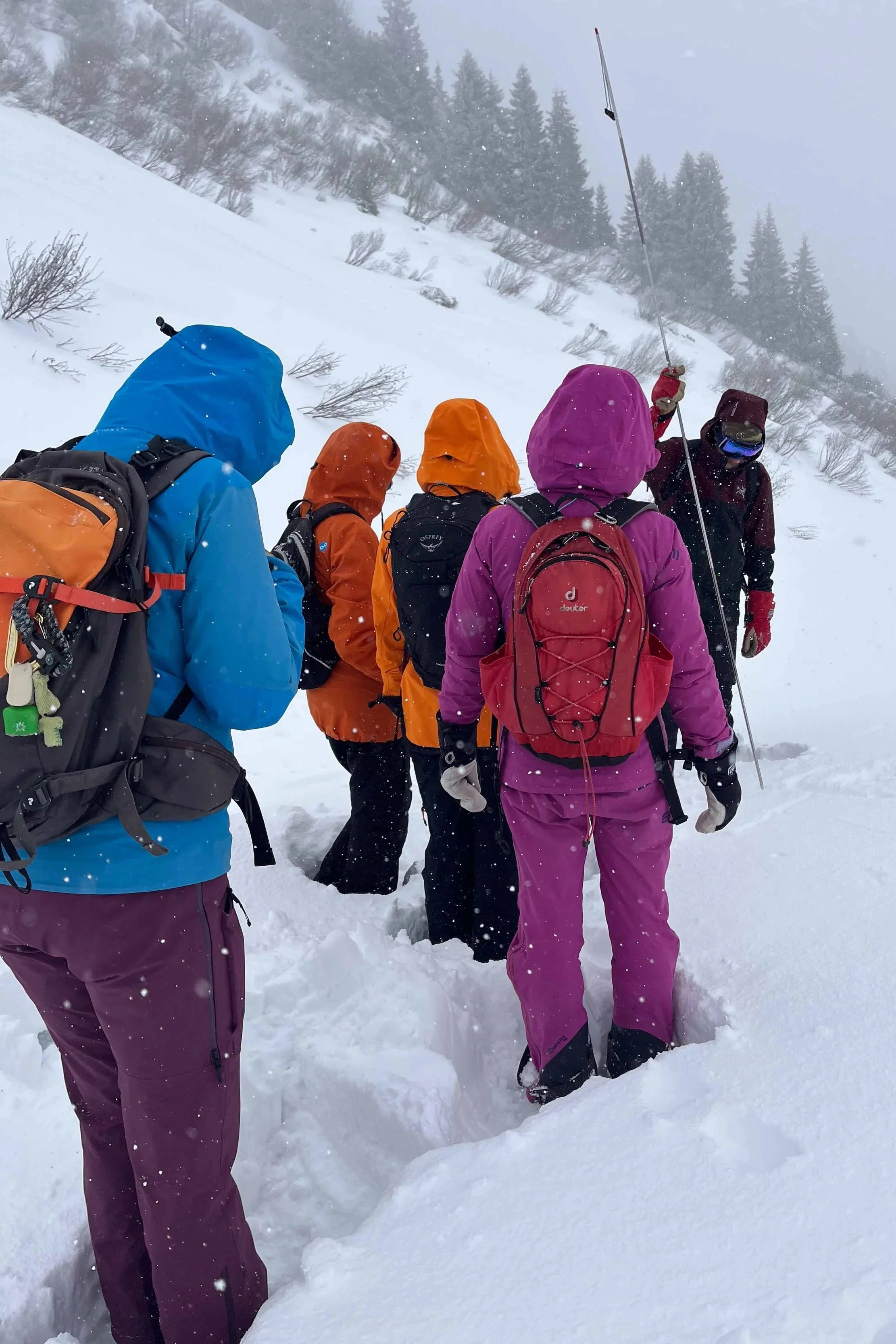
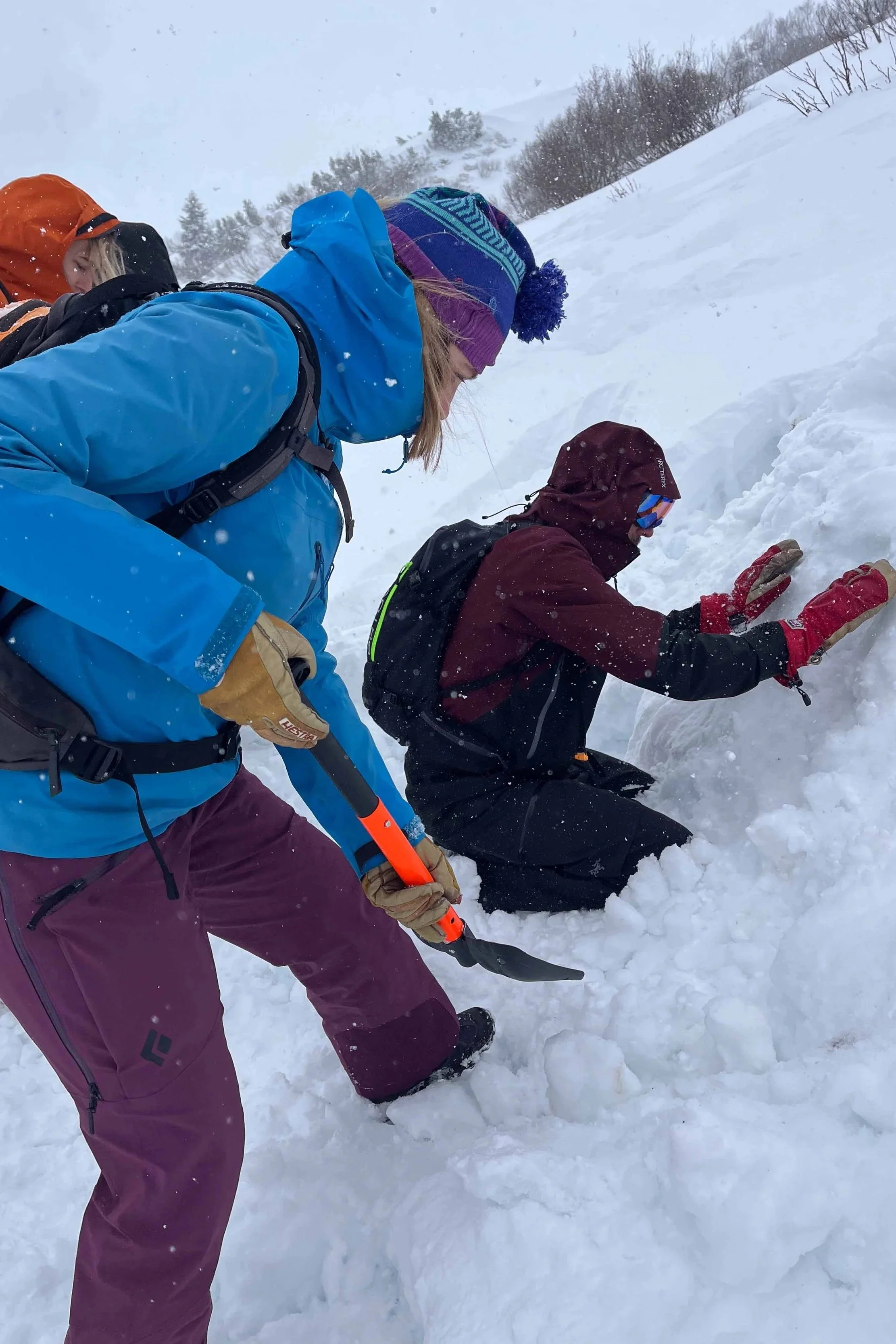
Now it is time for you all to build a snow shelter. Just using the few extra pieces of equipment we mentioned this morning and with helpful advice and full guidance from us, the physical building of the snow shelter will only reinforce the theory of building a snow shelter and it should also sink a little deeper in the memory bank.
Phase 3 - SURVIVAL SHELTERS
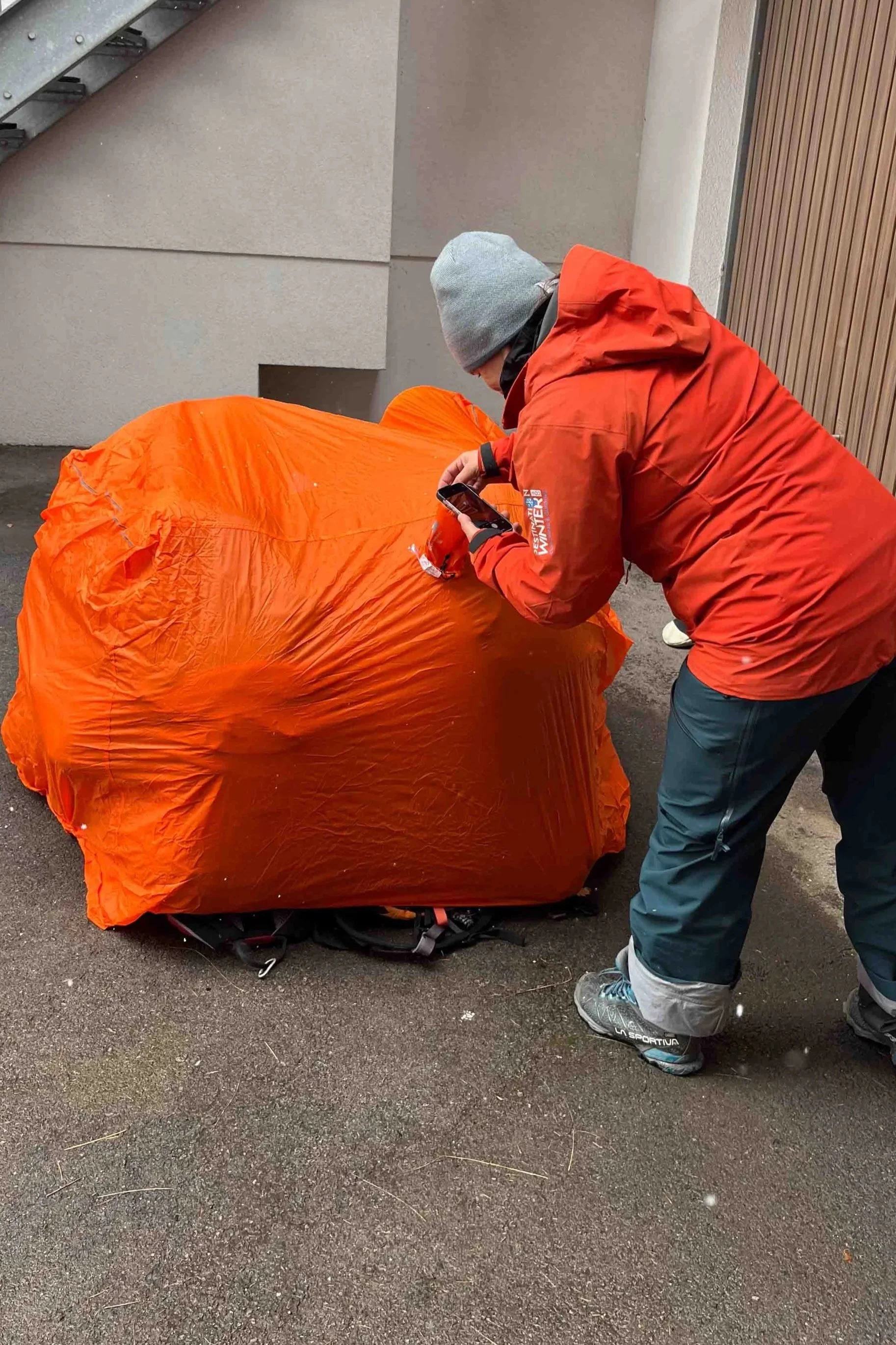
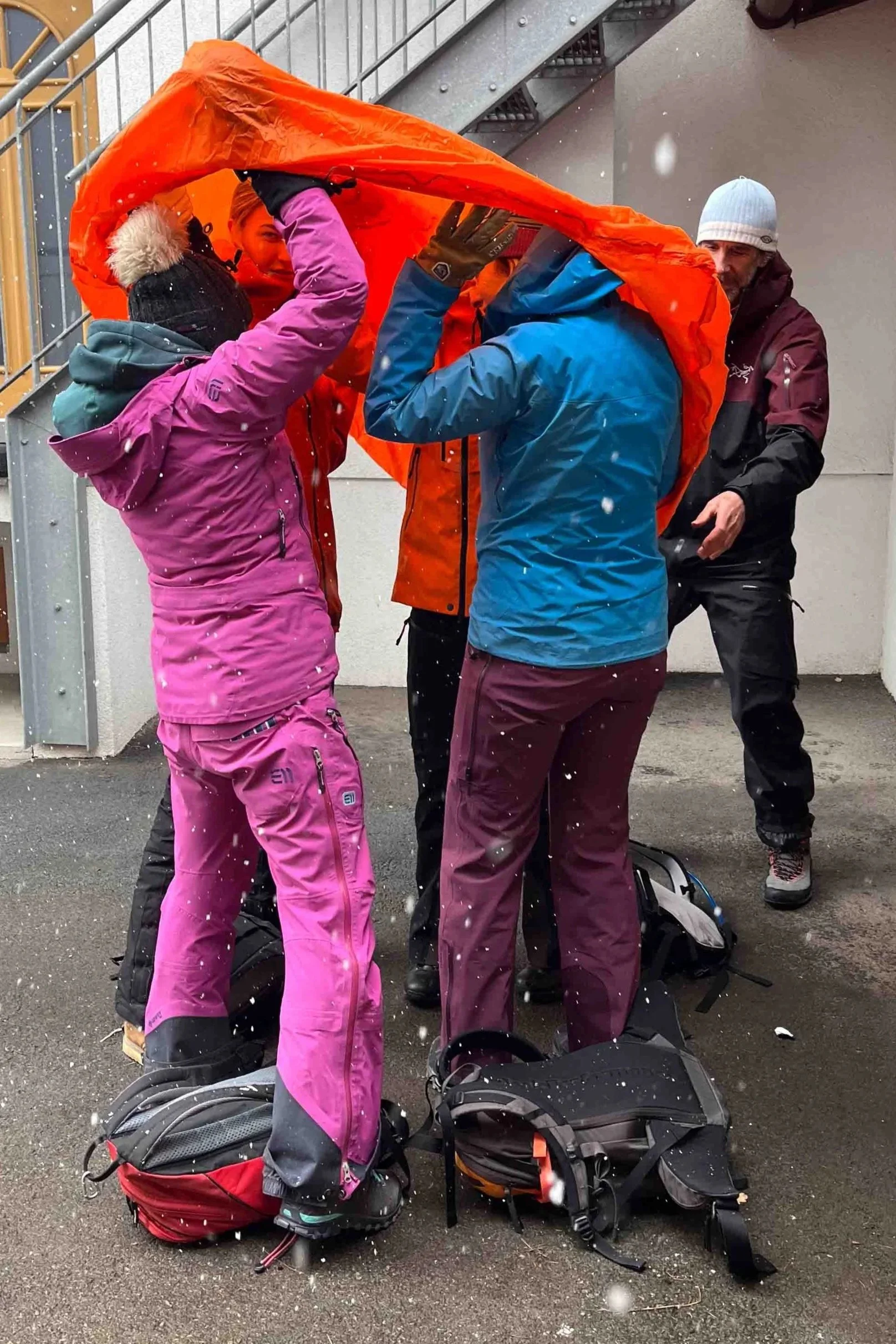
A great piece of survival equipment that is very commonly carried in the mountains of the UK. They can be used in all sorts of scenarios from having lunch together on a windy col, to staying warm while waiting for the snow conditions to corn up in the Spring , to waiting for the weather to improve at the top of Hochkar, to keeping the team warm when there is a situation such as an injury while waiting for the helicopter or rescue team.
They will prevent hypothermia and as stated above, are one of 3 essential pieces of survival equipment I carry in my rucksack.
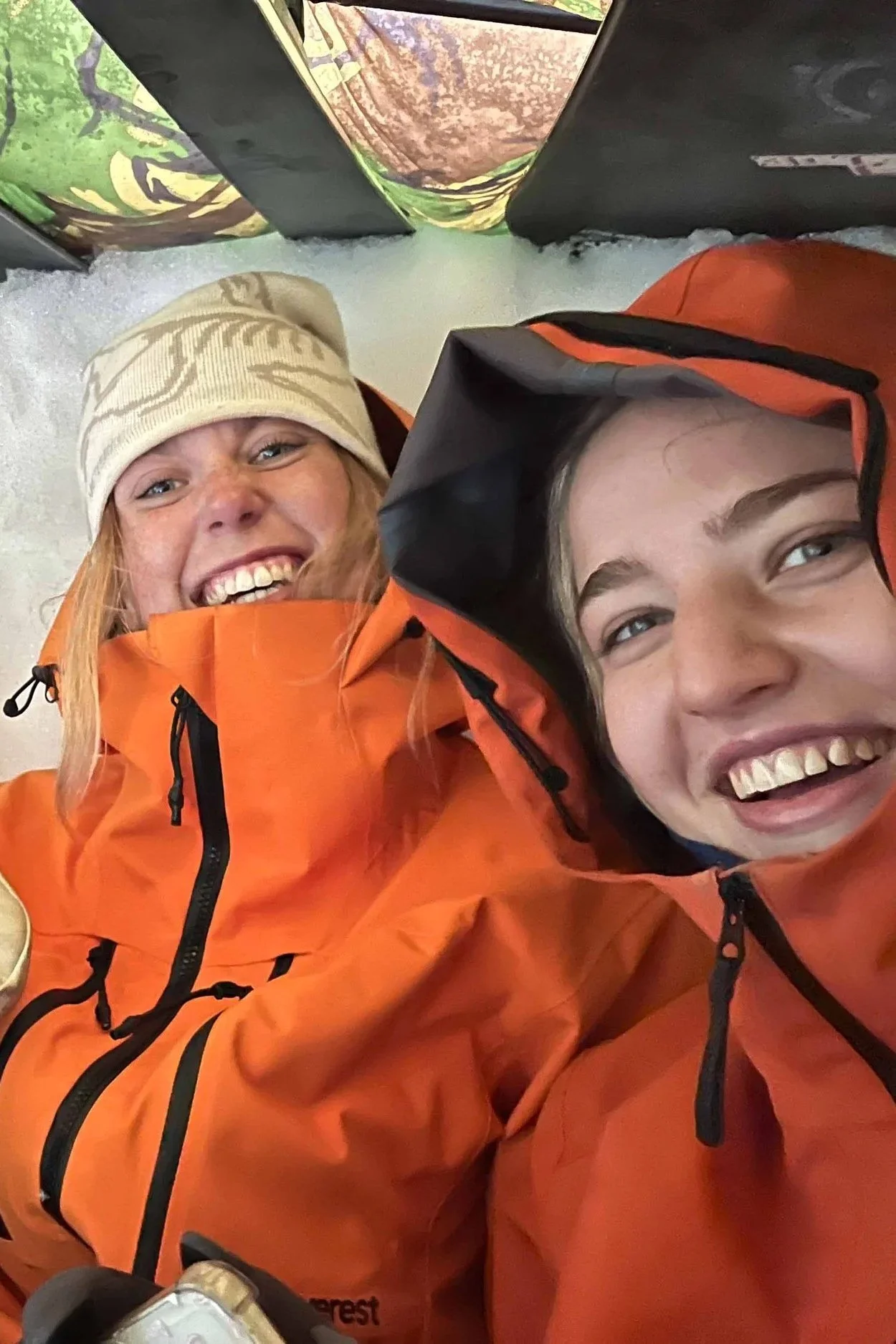
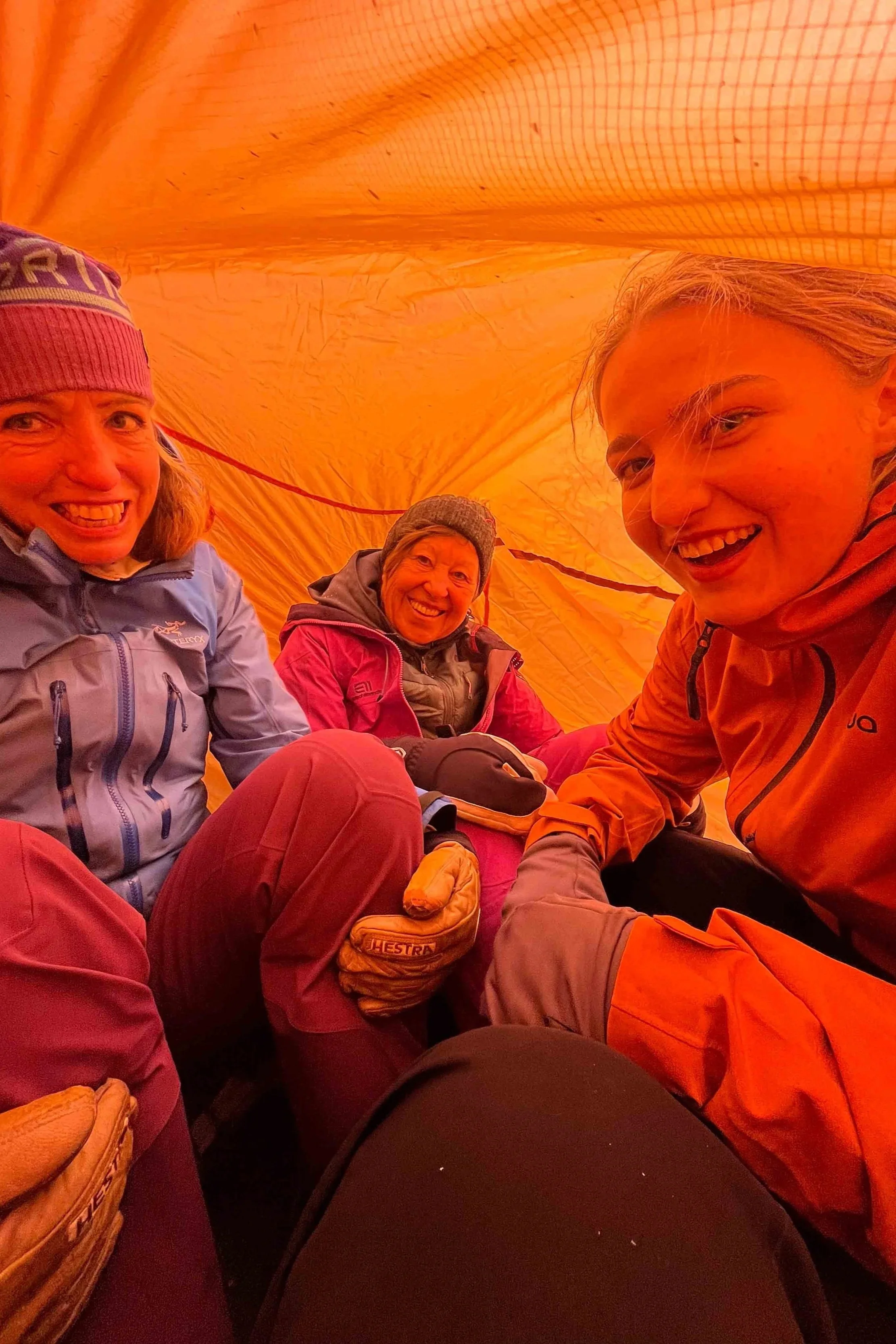
Some are made for just 2-3 people, while others will take up to 10 people inside. There are some distinct advantages to each of the shelters and you get to see what would work best if you were to carry one in your rucksack.
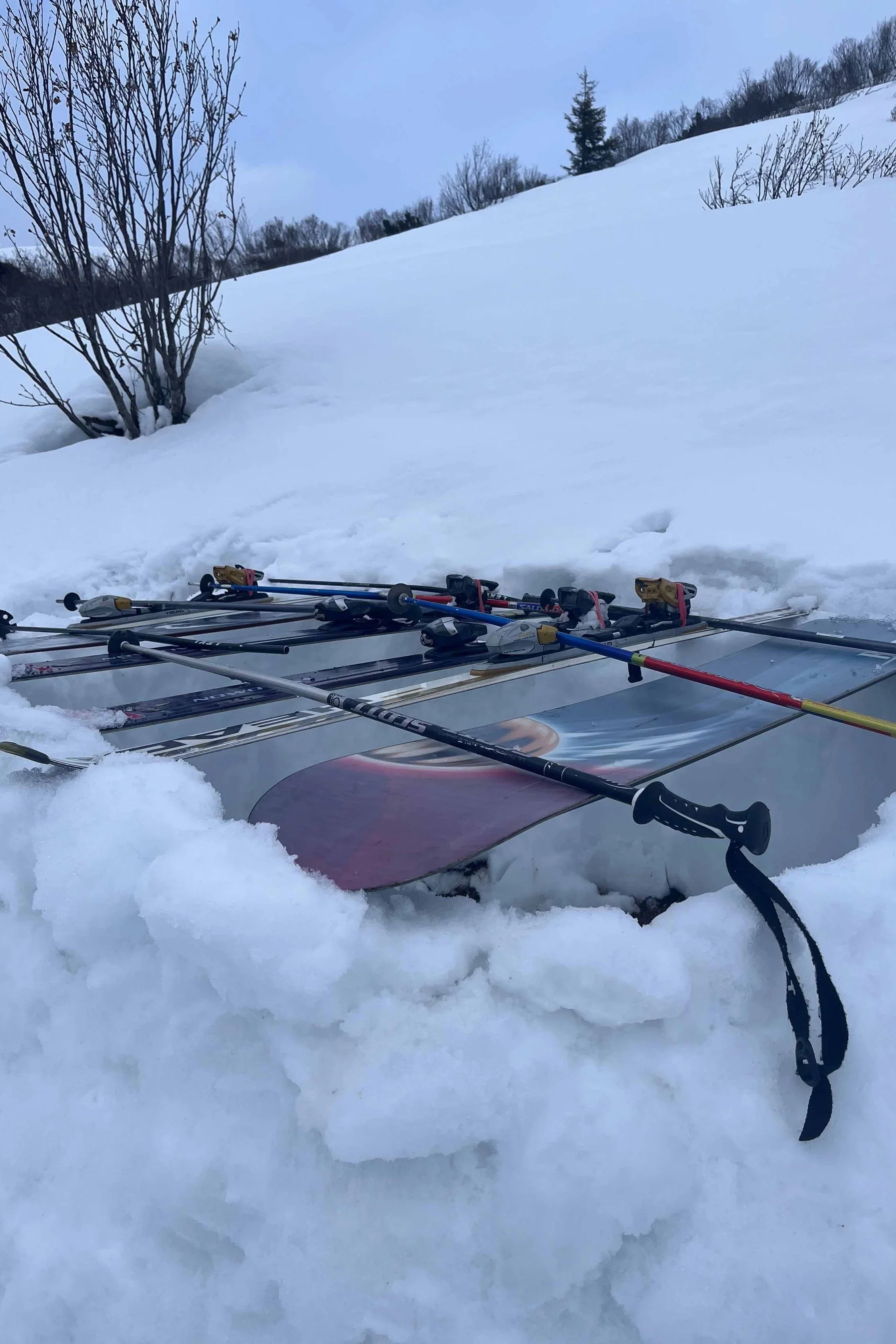
Up in St.Christoph, we try them out and get a good look on just what they can do and how they can help in an emergency situation, be on the piste, in the forest on the valley floor or high up in the mountains.
The final part of the day is usually done down in St.Anton with a hot drink we summarise the days theory and activities.
Prices
Euro 85.- per person
The minimum required to run this course is 4 and we will only be taking a maximum of 8 people for this course.
Contact Me
I can run the Winter Survival Course for groups, a bunch of friends, ski colleagues or as individuals.
Just get in touch with me via the form opposite to find out more.
Destination Winter
6574 Pettneu am Arlberg
info@destinationwinter.com
+43 (0)650 3645264